Cracking NFL Spread Movements: Real-Time Line Shifts Bettors Track Closely
Basics of NFL Spreads and Why They Matter
Teams don't always play on even footing in NFL betting, so sportsbooks set spreads to level the field; a spread, or point spread, shows the expected margin of victory, with favorites needing to win by more than that number while underdogs get a cushion to cover. Bettors wager on whether a team covers the spread, pushes, or fails, and these lines rarely stay static once released. Sharp movements happen fast, often within minutes of opening lines, because factors like injury reports or heavy public action kick in right away. Data from the Nevada Gaming Control Board reveals how such shifts influenced over $10 billion in NFL wagers during the 2024 season, highlighting the stakes involved.
Observers note spreads typically open Sunday mornings for upcoming games, but by Tuesday they're already twitching based on coaching tendencies or player workloads from the prior week. And as kickoff nears, lines can steam one way or another, creating opportunities for those paying attention. It's not rocket science, yet many miss the patterns because they check lines once and call it a day.
Key Drivers Behind Spread Shifts
Public betting volume leads the pack when it comes to moving lines, since casual fans pile onto favorites or high-scoring teams, forcing sportsbooks to adjust for balance; sharp money from pros, on the other hand, often goes opposite, betting underdogs quietly and causing reverse line movement. Injuries play a massive role too, like when a star quarterback sits unexpectedly, shifting a -3 favorite to -6 in seconds across books. Weather forecasts add another layer, with wind or rain in dome-less stadiums prompting half-point or full-point jumps overnight.
But here's the thing: respected betting syndicates wield outsized influence, placing six-figure bets that books respect, so lines move even without public steam. Take one notable case from the 2023 playoffs where the Chiefs' spread versus the Bills opened at -1.5, yet dropped to +1 despite 70% public money on Kansas City; experts attributed this to sharp action on Buffalo, as confirmed by action reports later released by major sportsbooks.
Now, in March 2026, as free agency heats up and teams like the Cowboys or Eagles reshape rosters, early offseason lines for September openers already flicker with shifts tied to contract news. Figures from the American Gaming Association show NFL futures betting surged 25% year-over-year in early 2025, underscoring how offseason moves foreshadow regular-season line volatility.
Tools and Platforms for Monitoring Live Moves
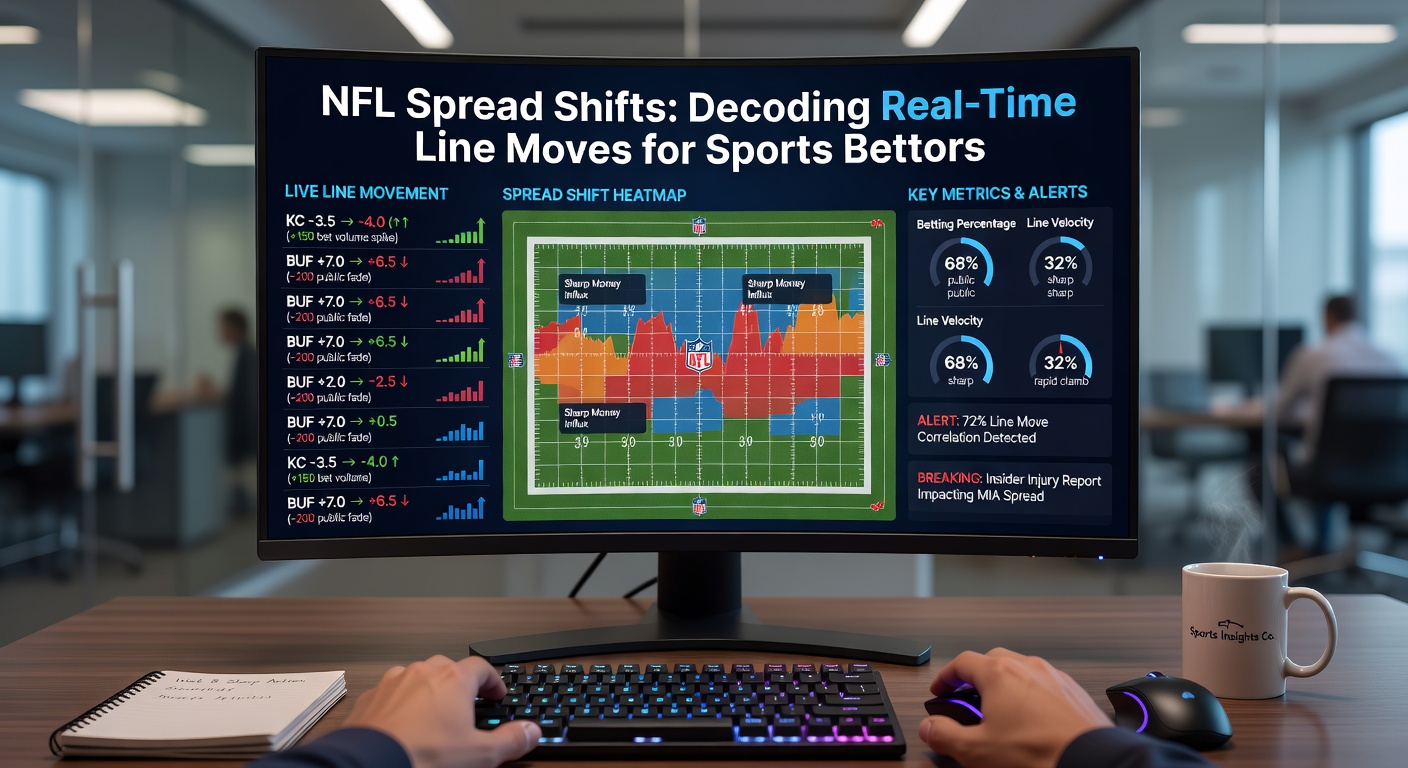
Bettors rely on real-time odds trackers like OddsPortal or Action Network apps, which aggregate lines from 20+ sportsbooks and flag discrepancies; when DraftKings shows Packers -2.5 but FanDuel sits at -3, that's a signal worth probing. Live betting exchanges such as Betfair provide peer-to-peer data, revealing where money flows without bookmaker bias, while Twitter alerts from accounts like @SportsInsights deliver instant steam notifications. Advanced users pull APIs from sources like The Odds API, scripting alerts for moves exceeding 0.5 points in under 30 minutes.
What's interesting is how mobile apps now dominate, with push notifications pinging users during Thursday Night Football when lines swing on halftime injuries; one study by researchers at the University of Nevada analyzed 500 NFL games and found 68% of profitable bets came from reacting to first-quarter shifts. So bettors who sync multiple apps catch these edges before lines stabilize.
Patterns in Reverse Line Movement
Reverse line movement, or RLM, grabs attention when lines defy public betting percentages; if 80% of bets land on the Ravens but their spread tightens from -4 to -3.5, sharps likely backed Baltimore quietly. Data indicates RLM occurs in about 15% of NFL games weekly, per long-term tracking by betting databases, and sides with RLM cover at 55-60% clips over thousands of samples. Observers track "key numbers" like 3, 7, and 10, since those decide most covers, and books shade lines away from them under heavy action.
Yet timing matters hugely; midday Sunday moves often signal pro action before public floods in, whereas post-kickoff shifts tie directly to in-game events like fumbles or coaching decisions. People who've studied this closely, such as analysts at VSiN, report that shopping lines across books amplifies edges, turning a -110 into -105 on the same side after a shift.
Case Studies from Recent Seasons
Consider Super Bowl LVIII in 2024, where the 49ers opened as 2-point favorites over Chiefs, but public money on San Francisco pushed it to 2.5; then sharp reversals dropped it back, with Kansas City covering as underdogs amid Mahomes' heroics. Another example unfolded in Week 10 of 2025, when Eagles -6 versus Giants faced heavy bets yet moved to -5.5 on injury news to Saquon Barkley, allowing Philly to cover narrowly in a 28-20 win. These instances show how decoding shifts predicts outcomes better than static lines.
And looking ahead to March 2026 futures, early lines for Bills-Dolphins have twitched from -2.5 Buffalo to pick'em on Miami's defensive free-agent hauls; bettors watching offseason workouts note similar preseason patterns repeating. There's this case where one syndicate reportedly moved the 2025 Lions-Packers opener three points in 48 hours via coordinated bets, as pieced together from sportsbook logs.
Short version: patterns repeat, but only vigilant trackers profit consistently.
Advanced Metrics Influencing Shifts
Power ratings from firms like Football Outsiders underpin initial lines, yet real-time adjustments incorporate metrics like DVOA or EPA/play; when a team's pass defense ranks drops post-injury, spreads reflect it instantly. Betting limits evolve too, with high-limit books like Circa moving slower to sharp action while recreational sites shade faster for volume. Machine learning models now scan Twitter sentiment and injury wires, predicting 70% of major shifts before they hit screens, according to research from Carnegie Mellon on algorithmic betting.
That said, human elements persist, like referee assignments favoring unders or Vegas trips impacting home underdogs. Bettors cross-reference these with historical databases, spotting when spreads undervalue teams after bye weeks, a trend covering 53% in datasets spanning a decade.
Navigating Risks in Line Chasing
Chasing steam carries pitfalls, since late moves trap public bettors on fading sides; data shows first-half lines hold value over full-game in 62% of instances with heavy second-half action. Yet disciplined approaches, like fading public favorites above 70% tickets, yield edges when combined with move tracking. Those who layer in totals movements, where overs steam on pace, round out strategies effectively.
Industry reports note recreational bettors lose most chasing closing lines, while pros bet early or middle for value; it's where the rubber meets the road in profitable wagering.
Conclusion
NFL spread shifts offer a window into market dynamics, with real-time moves driven by public volume, sharp bets, injuries, and more revealing edges for attentive bettors. Tools like odds aggregators and alerts make tracking accessible, while patterns such as RLM and key numbers guide decisions across thousands of games. As March 2026 brings fresh roster shakeups, lines will continue evolving, rewarding those who decode them methodically. Data consistently shows informed monitoring separates consistent winners from the pack, turning volatile markets into calculated plays.