Demographic Patterns in Gambling Format Choices Worldwide
Player demographics shape preferences for specific gambling formats in measurable ways, with age, gender, location, and income levels showing consistent correlations across multiple studies and regulatory datasets. Researchers track these patterns through surveys, transaction data, and industry reports that span regions from North America to Europe and Asia-Pacific markets.
Age Influences on Format Selection
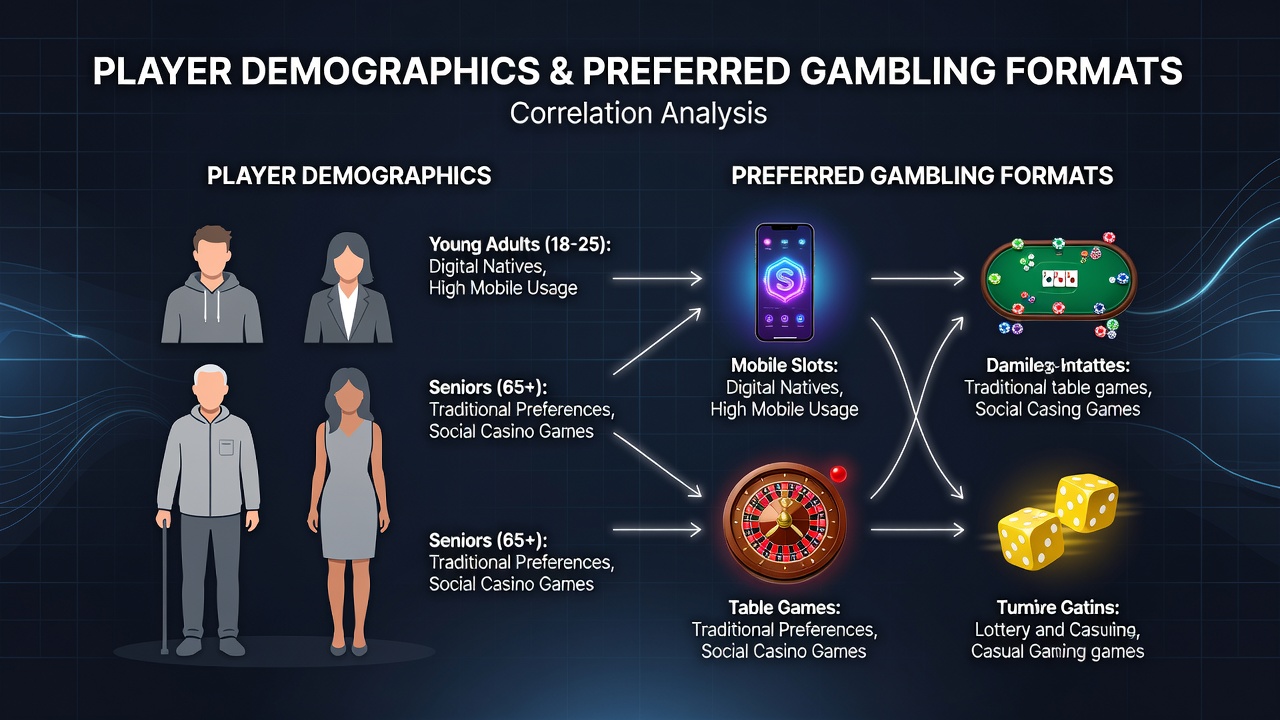
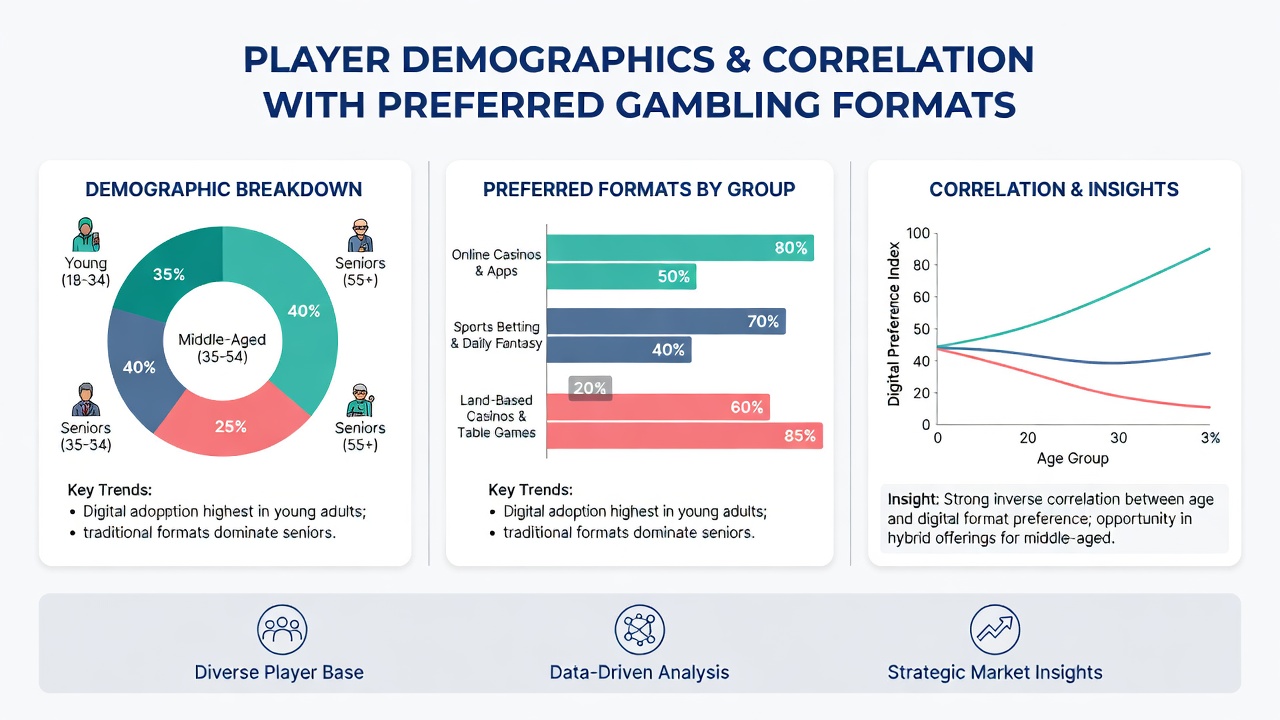
Younger adults between 18 and 34 gravitate toward mobile slots and esports betting, while those over 55 show stronger engagement with bingo and traditional lottery draws. Data from the American Gaming Association indicates that mobile sports betting accounts for over 60 percent of activity among players under 30, whereas land-based table games retain higher participation rates among middle-aged groups. A longitudinal analysis by the University of Nevada, Las Vegas tracked shifts in format adoption and found that digital poker platforms gained traction fastest within the 25-to-40 cohort between 2023 and 2026.
July 2026 figures reveal continued growth in online casino games among Gen Z participants, driven by integration with streaming platforms and social features. Older demographics meanwhile maintain steady involvement in scratch cards and fixed-odds betting terminals at retail outlets.
Gender-Based Preferences Across Formats
Statistical breakdowns show distinct gender splits in game selection. Women represent higher proportions of bingo and slot players, often exceeding 55 percent of active users on dedicated platforms according to aggregated operator reports. Men demonstrate elevated participation in sports betting and poker variants, with ratios reaching two-to-one or higher in certain regulated markets. These patterns hold steady even after controlling for overall participation rates, suggesting format-specific appeal tied to social and competitive elements.
Transaction records further indicate that women tend to favor shorter session lengths in slot and bingo environments, while male players allocate more time to strategic formats like blackjack and fantasy sports. Cross-regional comparisons confirm similar distributions in both North American and Australian datasets.
Geographic and Income Correlations
Location affects format availability and therefore preference. Urban residents in high-density areas access a broader mix of online and retail options, leading to higher experimentation with live dealer games and virtual sports. Rural populations show elevated lottery and pari-mutuel betting activity where physical venues remain limited. Income brackets also play a role, with higher earners directing more volume toward poker tournaments and premium sports markets while lower-to-middle income groups concentrate on high-frequency slot and instant-win products.
Regulatory filings from Canadian provincial bodies and Australian state agencies document these divides through anonymized player data. Observers note that payment method preferences align with income as well, since credit card usage appears more frequently among higher earners across multiple jurisdictions.
Emerging Trends and Data Tracking
Advances in player tracking systems allow operators and researchers to segment audiences with increasing precision. Machine learning models applied to behavioral logs now predict format migration based on demographic inputs alone. As of July 2026, several European operators reported refined marketing approaches that match game recommendations to age and location clusters derived from verified account information.
Academic reviews emphasize that correlations do not imply causation, since availability, marketing exposure, and cultural norms interact with personal characteristics. Continued monitoring through independent research institutions helps maintain clarity on how these variables evolve over time.
Conclusion
Demographic factors consistently align with preferred gambling formats across global markets, supported by transaction analysis, survey responses, and regulatory disclosures. Age segments display clear divides between digital-first and traditional products, gender patterns reflect format-specific engagement levels, and geographic plus income variables further refine observed distributions. These relationships remain subject to ongoing measurement as new platforms and regulatory frameworks emerge.