European Football Betting Volumes Shift with Seasons, Bolstered by Analytics Tools
European football leagues experience distinct changes in wagering activity that align with the annual calendar, and operators rely on data analytics to track these patterns across competitions like the Bundesliga, Serie A, and La Liga. Volumes typically drop during the summer months when domestic seasons pause, then build steadily as pre-season friendlies give way to opening fixtures in August. Observers note that these cycles repeat with enough consistency for analytics platforms to generate forecasts that help adjust odds and promotional offers in advance.
Mapping Volume Changes Through the Calendar Year
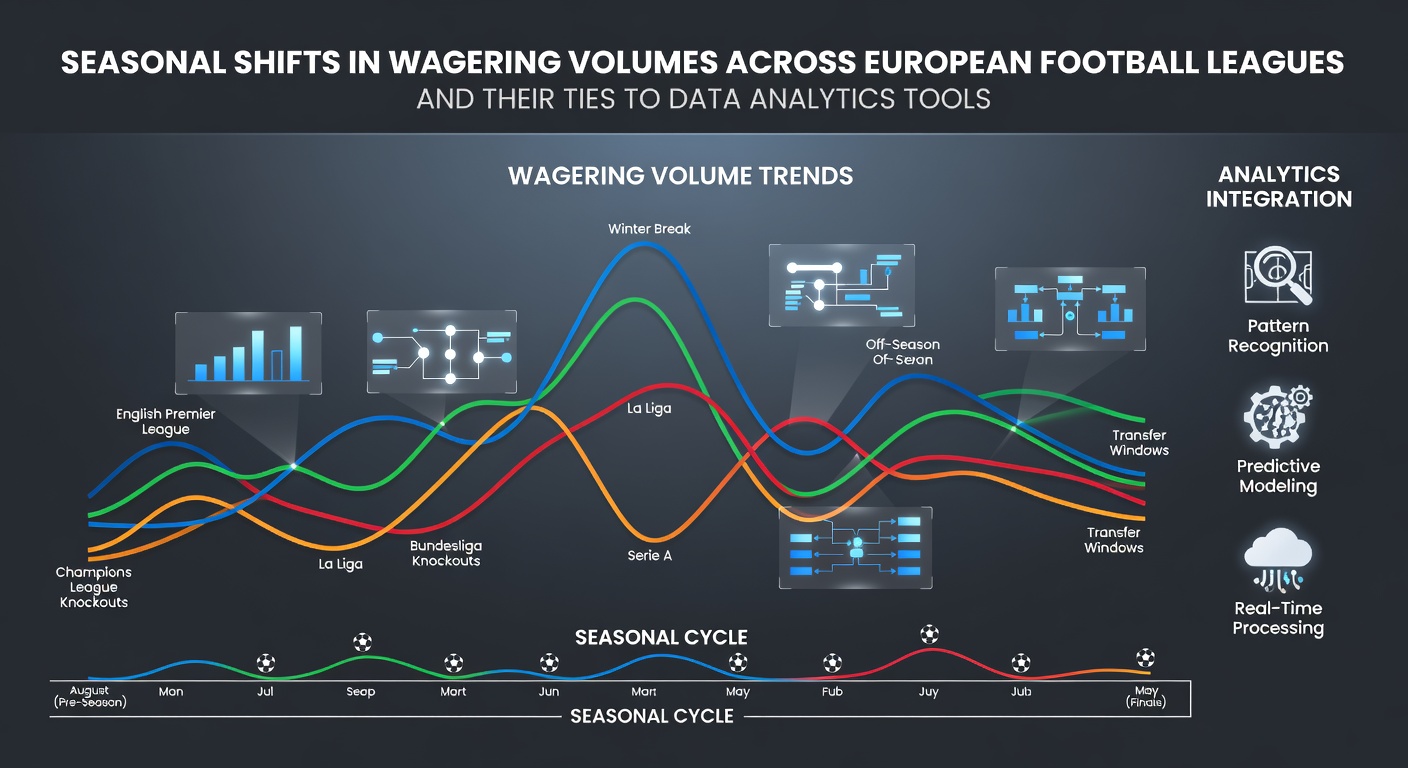
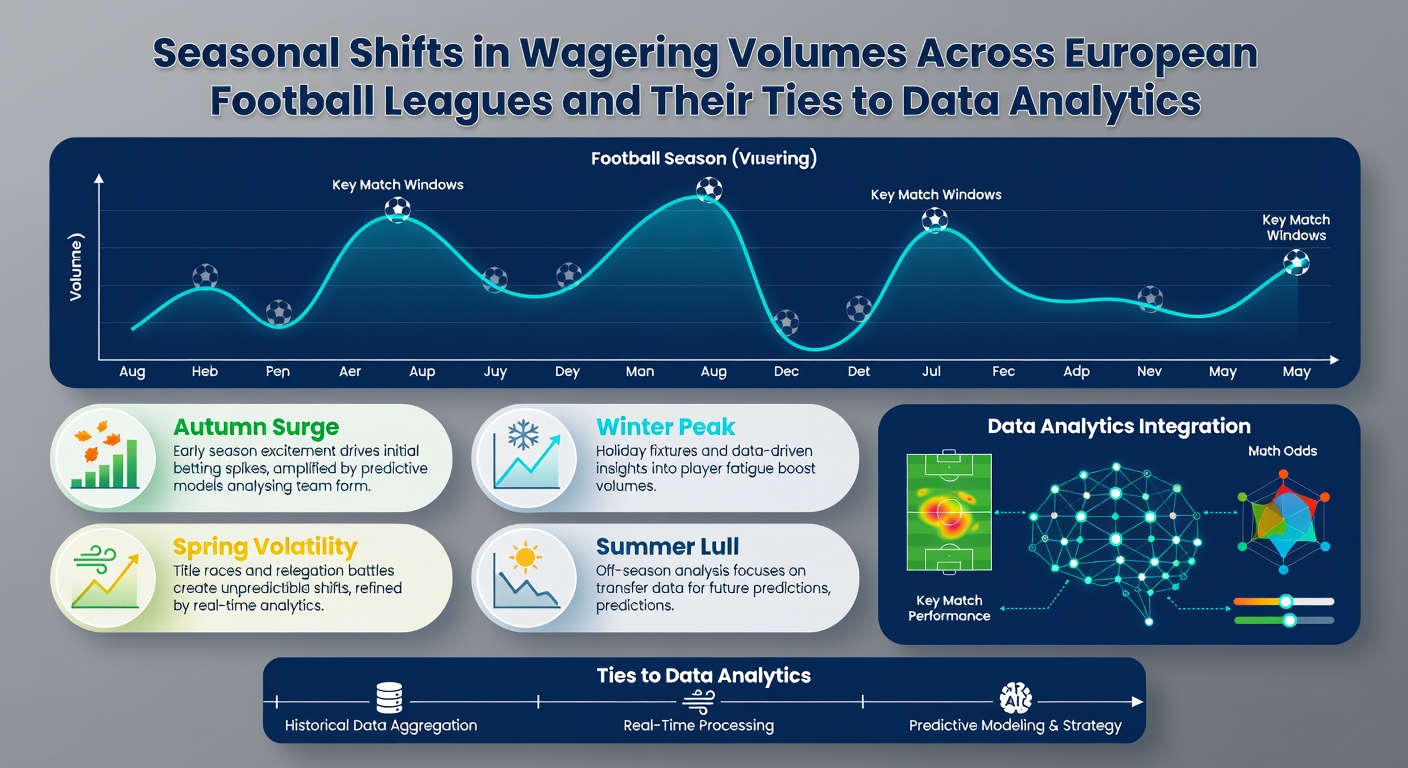
Research from industry reports shows wagering peaks during winter months when fixture congestion increases and weather conditions add uncertainty to match outcomes, while quieter periods emerge in late spring after title races conclude. Data from major operators indicates that Bundesliga matches attract higher per-game stakes in December compared with September, partly because fans and bettors respond to the compressed schedule around holiday periods. Those who study these trends often find that Ligue 1 volumes remain steadier year-round, whereas Serie A sees sharper spikes tied to derby fixtures that fall at different points each season.
Analytics tools process historical betting data alongside external factors such as travel schedules and player injury reports to identify where volumes are likely to rise or fall. In practice, these systems flag opportunities for dynamic pricing adjustments days before matches, allowing platforms to balance risk across markets. European regulators outside the UK, including the Netherlands Gambling Authority, have documented how such tools contribute to responsible market monitoring without restricting operator flexibility.
Role of Predictive Models in Seasonal Forecasting
Predictive models integrate league-specific variables like home advantage percentages that vary between spring and autumn rounds, then output probability ranges that operators use to set limits on liability. One study released by the European Gaming and Betting Association highlighted how Bundesliga clubs with midweek European commitments produce measurable shifts in domestic betting interest, prompting analytics teams to recalibrate models weekly. These adjustments account for fatigue patterns that repeat across multiple seasons rather than relying on single-year anomalies.
Platforms combine real-time data feeds with archived records stretching back five to ten years, enabling them to project volume surges around winter breaks or title-deciding matches in May. The process reveals that certain leagues, such as La Liga, demonstrate more pronounced increases in live betting during evening kick-offs in colder months, a pattern tied to viewer habits tracked through streaming metrics. Analysts apply machine learning layers to refine these insights, reducing the margin of error in forecasts that operators depend on for inventory management.
Integration of External Data Sources
Operators supplement internal records with meteorological data, travel statistics, and social media sentiment indicators that correlate with betting spikes during high-profile periods. A research paper from a Canadian academic institution demonstrated that incorporating weather variables improved volume predictions for northern European leagues by measurable margins, particularly in January and February when pitch conditions fluctuate. This layered approach helps distinguish between predictable seasonal movements and one-off events that could distort models if left unadjusted.
During June 2026, when European club seasons remain paused ahead of the expanded World Cup, analytics teams expect baseline volumes to stay low across domestic markets, yet preparatory activity around national team qualifiers may generate early interest in futures markets. Platforms already test scenario planning for such transitions, using historical parallels from previous international tournaments to calibrate expectations. The same tools that track routine league fluctuations adapt to these extended off-periods by shifting focus toward alternative competitions and pre-tournament specials.
Operational Adjustments Driven by Analytics
Betting operators apply insights from seasonal models to allocate marketing budgets, concentrating resources during projected high-volume windows while scaling back during slower stretches. This targeted deployment reduces unnecessary expenditure and aligns promotional calendars with genuine demand patterns observed across multiple campaigns. Teams monitor live dashboards that update hourly, allowing rapid responses when actual volumes deviate from forecasts due to unexpected results or external news.
European football's calendar structure creates recurring opportunities for analytics refinement, since each season supplies fresh data points that improve model accuracy over time. Leagues with balanced schedules, such as the Bundesliga, provide cleaner datasets for training algorithms compared with those interrupted by frequent cup replays. Operators that maintain consistent data pipelines across borders gain advantages in identifying cross-league correlations that single-market analysis might miss.
Conclusion
Seasonal shifts in European football wagering volumes follow identifiable rhythms that data analytics tools capture and project with increasing precision. These systems draw on league histories, external variables, and operational metrics to support timely decisions by operators and regulators alike. As June 2026 approaches and clubs prepare for international commitments, the same analytical frameworks will continue mapping transitions between club and national team calendars, ensuring volume forecasts remain grounded in accumulated evidence rather than isolated observations.