Regional Variations Shape Bookmaking Practices in European Online Gambling Markets
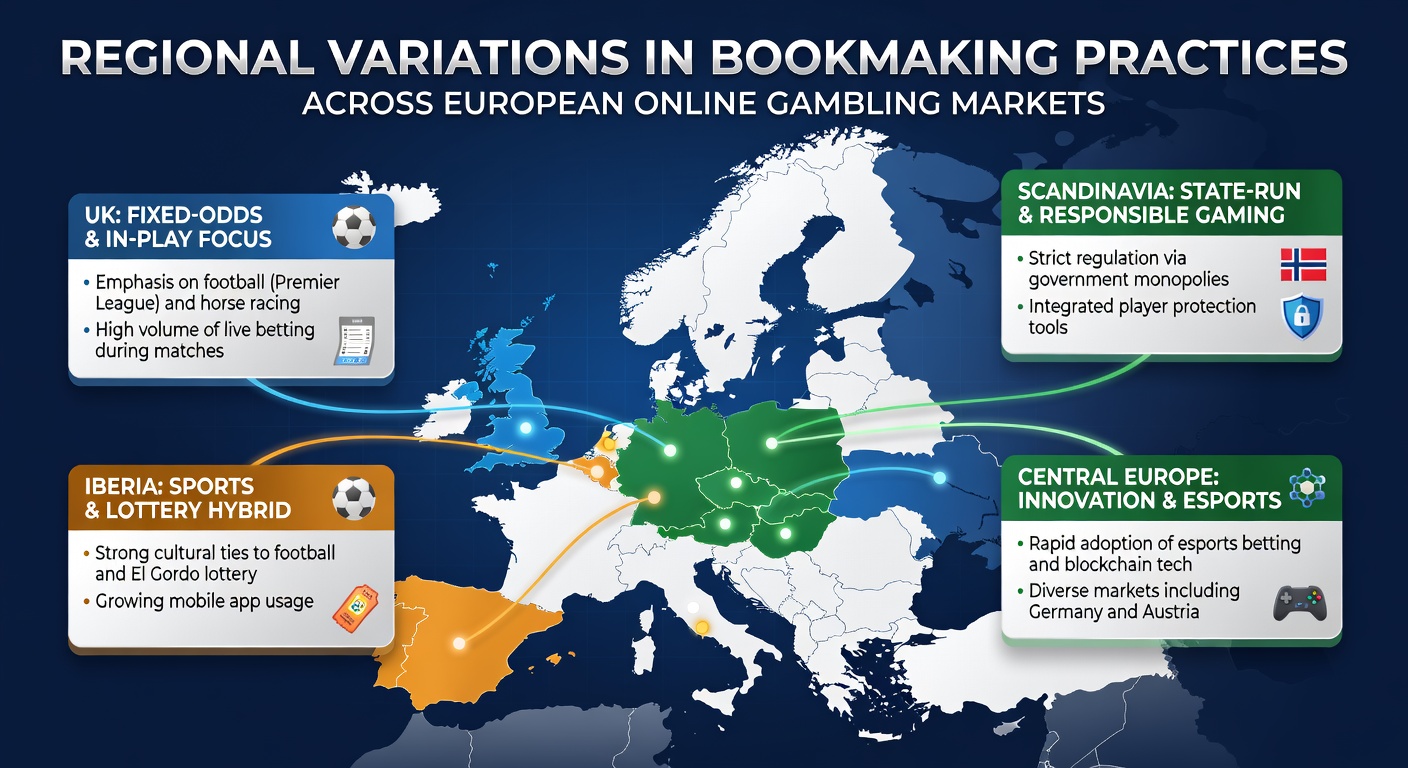
Bookmaking practices across European online gambling markets reflect distinct regulatory environments, licensing rules, and operational traditions that differ sharply from one jurisdiction to another. These variations influence how operators compile odds, manage risk, process payments, and structure promotions while remaining compliant with local statutes. Observers note that the patchwork of rules creates unique market dynamics in each region, and data from industry reports confirms ongoing adjustments as authorities refine their approaches.
Regulatory Frameworks Drive Operational Differences
National laws establish the foundation for bookmaking activities, and each country applies its own standards for licensing, taxation, and consumer safeguards. In Germany, for example, the Interstate Treaty on Gambling imposes strict limits on advertising and requires operators to obtain state-level approvals before offering sports betting products. Scandinavian markets operate under state-controlled or tightly licensed systems where monopoly or oligopoly structures shape pricing and product availability, whereas Mediterranean countries such as Italy and Spain maintain competitive licensing regimes that allow multiple private operators to participate after rigorous background checks and financial guarantees.
These frameworks determine the pace at which new betting markets receive approval and the extent to which live in-play wagering can expand. Research indicates that jurisdictions with centralized approval processes experience slower rollout of niche offerings like esports or virtual sports compared with markets that delegate decisions to independent commissions. Because operators must tailor their platforms to satisfy each set of requirements, software providers develop modular systems that can toggle features on or off depending on the customer's location.
Odds Compilation and Risk Management Reflect Local Traditions
Bookmakers compile odds using a combination of statistical models, trader expertise, and real-time data feeds, yet regional preferences influence the weighting given to each element. Operators in Central Europe often emphasize detailed statistical analysis drawn from domestic leagues, while those serving Southern European customers incorporate cultural factors such as team rivalries and historical performance patterns. Margin structures also vary, with some markets permitting higher hold percentages on popular fixtures and others enforcing tighter limits to encourage broader participation.
Reinsurance and hedging strategies further diverge according to the size and liquidity of each national market. Larger pools in Western Europe allow operators to retain more risk internally, whereas smaller markets rely on international layoff networks to balance exposure. Industry analyses show that these differences affect the speed at which odds adjust after significant news events, producing noticeable variations in price movement across borders even for identical sporting events.
Payment Methods and Licensing Costs Create Market-Specific Landscapes
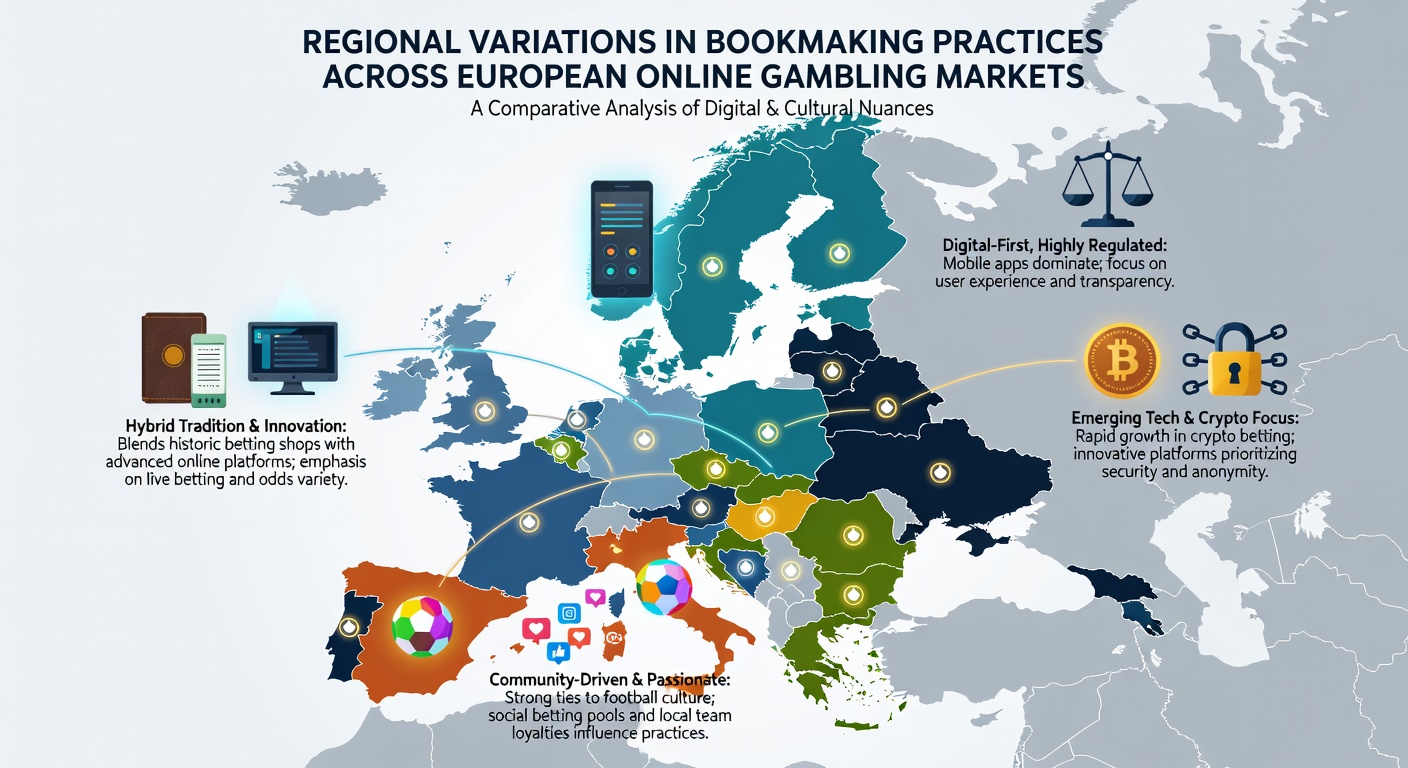
Payment infrastructure represents another area of pronounced regional contrast. Northern European markets frequently integrate bank transfers and e-wallets that align with strong consumer protection standards, while Eastern European operators accommodate a wider range of prepaid cards and cryptocurrency options to serve populations with varying access to traditional banking. Licensing fees and ongoing compliance costs likewise differ, with some countries imposing substantial upfront guarantees and others relying on revenue-based taxation that scales with operator success.
According to figures published by the European Commission, cross-border activity remains limited because operators must establish separate legal entities or partner with local licensees in many jurisdictions. These structural requirements raise entry barriers and encourage consolidation among larger groups that can spread compliance expenses across multiple territories.
Consumer Protection Measures and Promotional Rules Vary Widely
Responsible gambling tools, deposit limits, and self-exclusion mechanisms receive different levels of emphasis depending on national priorities. Some authorities mandate real-time spending dashboards and mandatory cooling-off periods, while others focus on educational campaigns delivered through operator platforms. Bonus structures face similar scrutiny, with restrictions on wagering requirements and maximum stake contributions appearing in certain statutes but remaining more flexible elsewhere.
By June 2026, several jurisdictions anticipate updates to digital identification requirements that will standardize age verification across borders for operators holding multiple licenses. These forthcoming changes build on existing pilot programs already tested in select markets and aim to reduce friction for legitimate players while strengthening safeguards against underage access.
Conclusion
The European online gambling sector continues to evolve through the interplay of national regulations, technological capabilities, and consumer expectations. Bookmaking practices therefore remain heterogeneous, shaped by licensing regimes, risk management conventions, payment ecosystems, and consumer protection priorities that reflect each country's distinct policy choices. Data compiled by the European Gaming and Betting Association illustrates how these regional differences sustain a diverse competitive environment while operators adapt their models to maintain compliance and market relevance.