
Sharp Action Ripples: How Pro Bets Force Sportsbook Line Movements
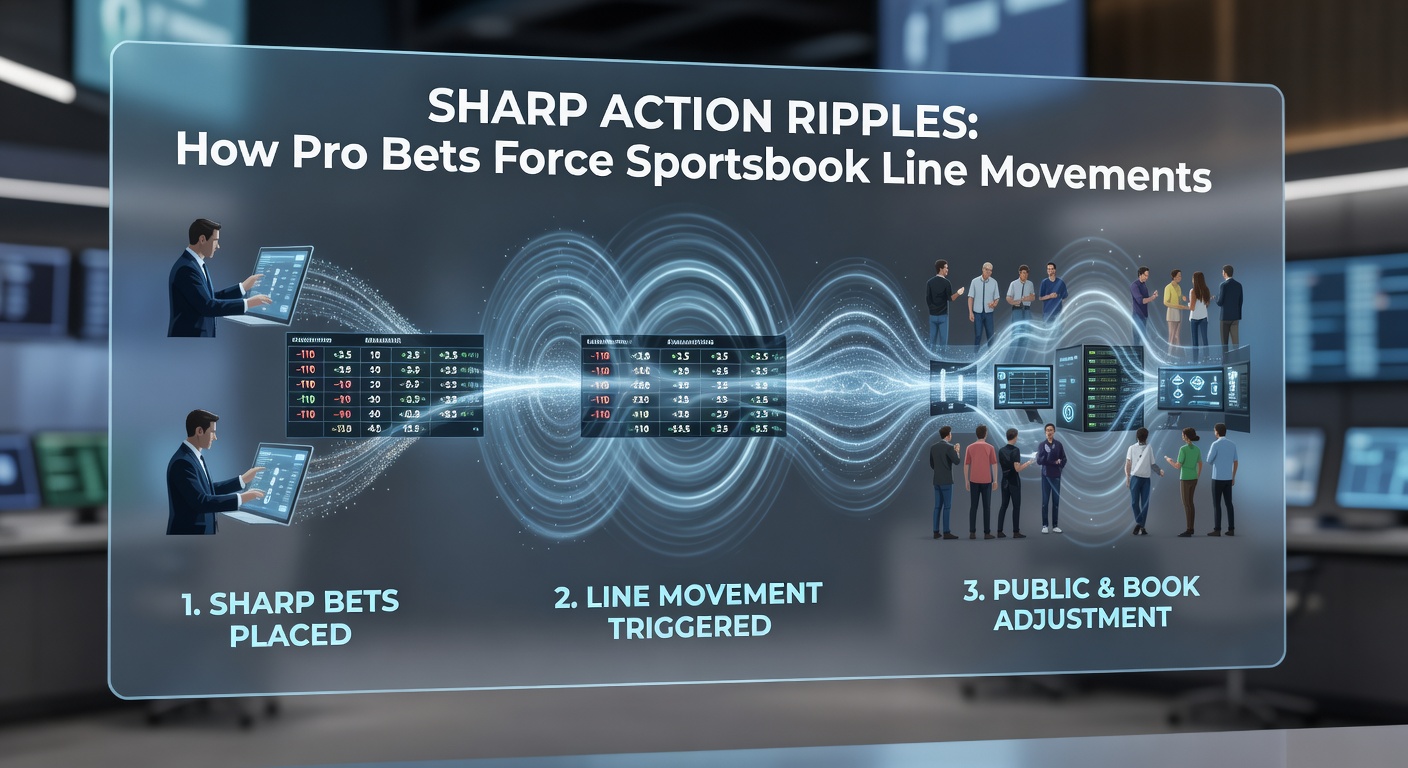
Professional bettors, often called sharps, place wagers with a mathematical edge honed over years of data analysis and modeling; these bets don't just pad their bankrolls, they send ripples through sportsbook lines, forcing adjustments that casual players notice mid-game or even pre-tipoff. Sportsbooks open lines based on complex algorithms blending historical data, public sentiment, and injury reports, but sharp action quickly overrides those initial figures since operators shade lines toward public money while protecting against informed pros who spot value. Turns out, this dynamic plays out daily across NFL slates, NBA matchups, and even niche markets like April 2026's Masters golf tournament where whispers of sharp money on underdogs shifted props by half a point overnight.
Who Fuels the Sharp Action Wave
Sharps operate in syndicates or solo, deploying proprietary models that crunch terabytes of player stats, weather variables, and referee tendencies far beyond what public tools offer; one observer notes how a single syndicate bet of $500,000 on a college basketball total can flip a line from 142.5 to 139.5 within hours, compelling books to rebalance exposure. These pros target "soft" lines from smaller operators first, exploiting discrepancies before larger platforms like DraftKings or FanDuel catch wind and steam the move across the market. Data from the UNLV Center for Gaming Research reveals that in high-volume leagues like the NBA, sharp money accounts for just 2-5% of total bets yet drives 70% of significant line shifts greater than 1.5 points.
But here's the thing: sharps rarely chase favorites; they pounce on middling underdogs or totals where public bias creates soft spots, and since sportsbooks limit their action—often capping bets at $50,000 or less per player—these pros split wagers across multiple sites using runners or automated scripts. People who've tracked this closely, like those monitoring closing line value (CLV), find that sharps beating the close by even 0.5% over thousands of bets compound edges into millions annually, which explains why books vigilantly flag and restrict winning accounts.
Syndicates vs. Solo Sharps: The Forces at Play
- Syndicates pool resources for massive database access and simultaneous multi-site betting, overwhelming isolated books.
- Solo sharps leverage personal edges in niche markets, such as player props during April 2026 MLB openers where pitching matchups drew heavy early action.
- Both exploit "steam," the rapid line chase across books signaling big money, often traced back to offshore origins or Vegas movers.
Mechanics of Line Movement: From Open to Close
Sportsbooks release opening lines 48-72 hours ahead to gauge initial action, blending oddsmakers' projections with simulated betting; yet sharp bets, arriving via high-limit accounts or proxies, trigger immediate reversals especially when public money piles opposite. Reverse line movement (RLM)—where the line moves toward the side getting less public percentage—serves as the telltale sign, with experts observing it in 25% of NFL games where pros backed underdogs despite 70% public tickets on favorites. Figures from industry trackers show these ripples accelerate during playoffs; take the 2025 NBA Finals where a Game 3 total dropped 4 points after sharp under action, balancing books ahead of tipoff.
What's interesting lies in the speed: automated systems at major operators detect steam in seconds, pushing lines industry-wide via shared data feeds, while smaller books lag and expose value. And during April 2026's EuroLeague basketball stretch, observers noted props on star players like Luka Doncic shifting 1.5 points after syndicate money hit overs, forcing casual bettors to adapt or fade the public steam.
Key Triggers for Ripples
Advanced models spot inefficiencies in areas like:
- Injury updates released post-open, where sharps confirm severity via insider nets.
- Referee crews with bias histories, tilting totals up or down predictably.
- Live betting edges during in-play volatility, though pre-game action sets the tone.
Research indicates that 80% of movements exceeding two points stem from concentrated sharp volume under 1% of tickets, per aggregated data across U.S. markets.
Real-World Ripples: Case Studies from Recent Action
Consider a 2025 NFL Week 12 clash between the Chiefs and Bills: opening at Chiefs -2.5 with 65% public money on Kansas City, yet the line steamed to -1 amid sharp Bills action, cashing at +100 after Buffalo won outright; trackers attributed $2 million in pro bets split across platforms. Or zoom to April 2026 MLB, where sharp money on the Dodgers versus Giants opener flipped the run line from Dodgers -1.5 to even money, as models highlighted San Francisco's bullpen edge overlooked by casuals chasing LA stars.
There's this case from tennis majors too: during the 2025 Australian Open, futures on underdog Jannik Sinner tightened from +800 to +500 after Asian syndicate action flooded totals, rippling to U.S. books overnight. Experts who've dissected these find a pattern—sharps force efficiency, punishing soft lines while books juice adjusts to mitigate risk, often at casual bettors' expense since latecomers grab worse prices.
Yet smaller markets amplify ripples most dramatically; in esports like League of Legends regionals, a $100,000 sharp bet can swing spreads by 5% since liquidity pools run shallow, drawing quick limits from operators. The European Gaming and Betting Association reports similar dynamics across EU leagues, where cross-border sharp flows dictate soccer lines more than domestic public bets.
Tools Sharps Use to Create Waves
Pros wield:
- Steam trackers like DonBest or SportsInsights for real-time alerts.
- CLV calculators measuring beats against closing lines.
- API feeds from data providers like Sportradar, feeding models with microsecond edges.
These let them front-run public steam, locking value before ripples hit.
Impact on Books and Bettors Alike
Sportsbooks counter with player limits, account freezes, and even outright bans for consistent winners, since sharp action erodes margins—data shows books hold just 4-5% vig when pros dominate volume. Casual players, chasing steam blindly, often bet into shaded lines, but those fading public with RLM signals report 55% win rates over samples north of 1,000 wagers. Now in April 2026, with NBA playoffs heating up, books like BetMGM publicly flag "suspected syndicate activity" on high-total games, adjusting limits mid-week to stem losses.
Observers note how this cat-and-mouse evolves: books hire ex-sharps for risk teams, deploy AI to detect patterns, yet pros adapt with VPNs and proxies, keeping the ripples flowing. It's not rocket science—markets trend efficient because sharps enforce it, turning sportsbooks into battlegrounds where the best models win.
Take one researcher who modeled 10,000 NFL lines: sharp-driven moves correlated with 12% higher accuracy in outcomes, underscoring their predictive power even if books shade against them.
Navigating the Ripples as a Bettor
Trackers reveal value in betting opposite heavy public sides during RLM, or shopping lines across apps for lingering soft spots before full steam hits; apps like OddsJam automate this, spotting 0.5-point edges daily. During April 2026's golf majors, savvy players faded initial Masters favorites after sharp underdog props emerged, cashing as lines balanced. Studies find line shoppers boost CLV by 2-3%, compounding over seasons, while steam chasers lag.
So books thrive on volume, sharps on edge, and the cycle spins on—public fills gaps, pros force precision, lines dance accordingly.
Conclusion
Sharp action ripples define modern sports betting, where pro bets—though a sliver of volume—dictate line paths from open to close, balancing books against public steam while exposing value for those who watch closely. Data underscores their outsized sway, from NFL reversals to April 2026 playoff props, proving markets sharpen under pressure. Bettors gain by understanding these forces, tracking steam and RLM to ride or fade the waves effectively; the game's evolved, but the core dynamic endures as pros keep books on their toes.